
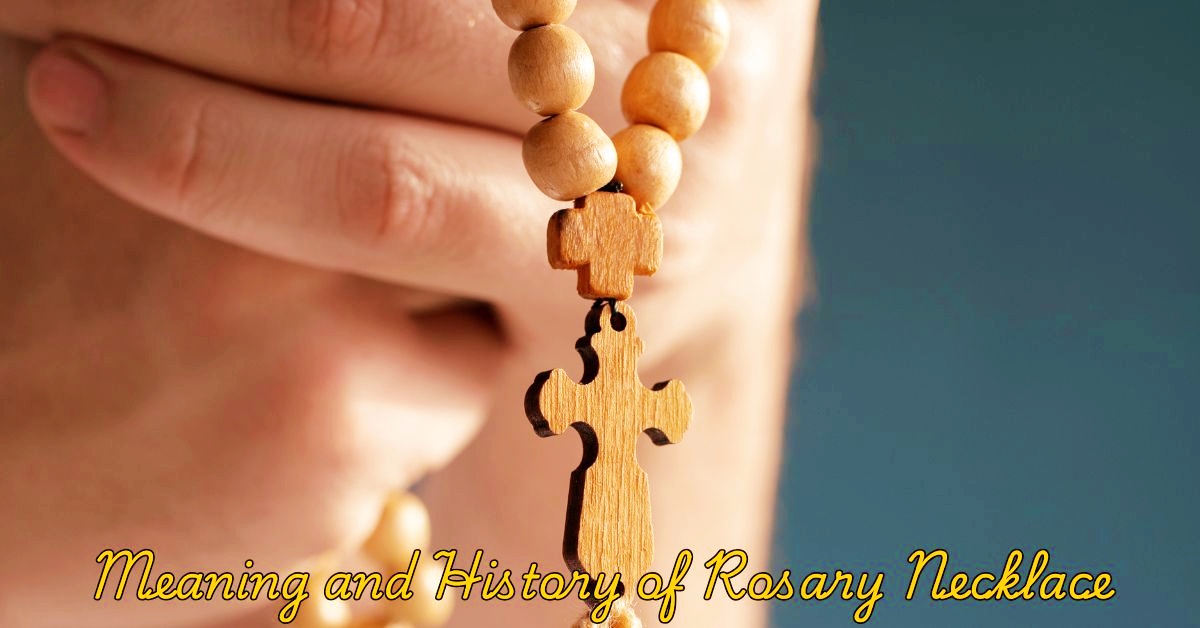
The rosary necklace is far more than a simple accessory; it is a tangible embodiment of faith, history, and devotion for millions around the world. From its origins in medieval prayer traditions to its place as a modern symbol of personal expression, this enduring piece bridges the gap between spirituality and timeless style. To discover exquisite pieces that honor this rich tradition, visit Ferrera Jewelers.
Definition and significance of the rosary.
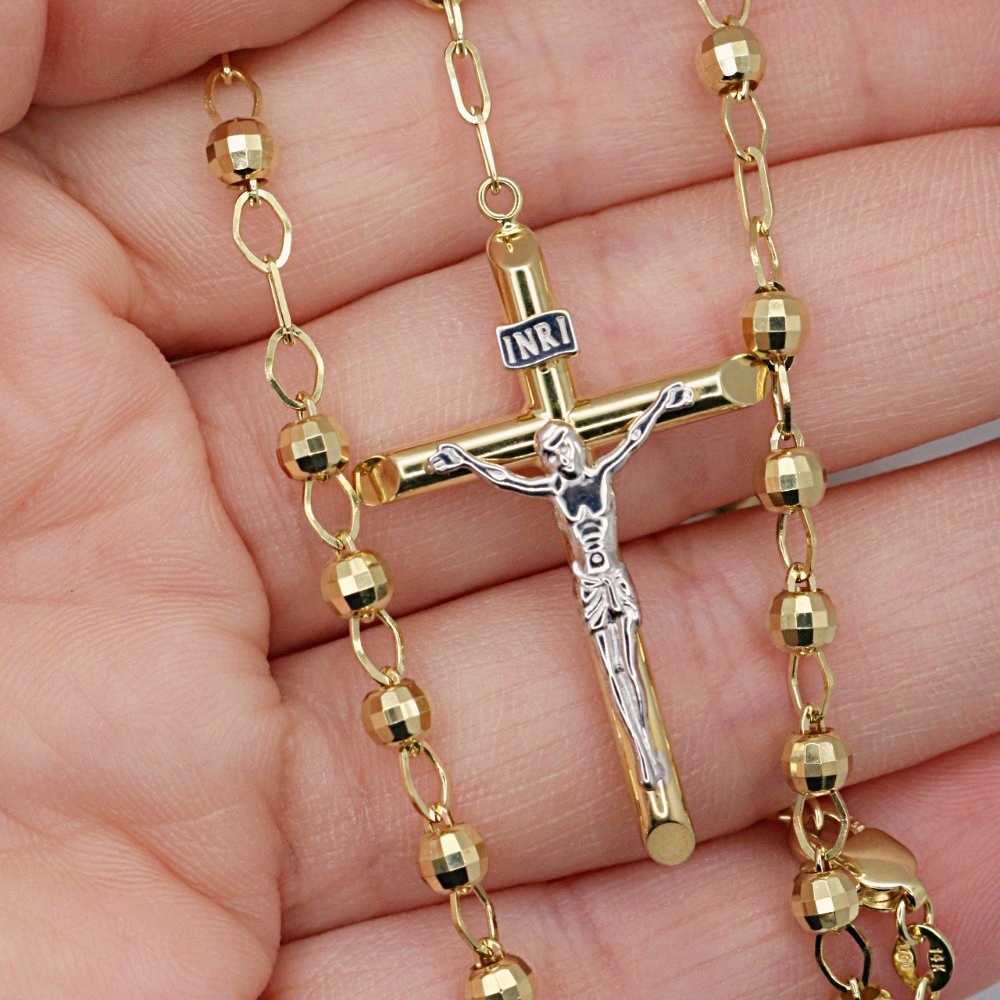
The rosary is a form of prayer used in the Catholic tradition, consisting of a string of beads that facilitate the recitation of specific prayers and the contemplation of significant events in the lives of Jesus Christ and the Virgin Mary. Typically, the rosary includes five decades, each composed of ten Hail Marys, interspersed with Our Fathers and Glory Bes. This structured format not only aids the believer in maintaining focus during prayer but also serves as a meditative tool to deepen one’s spiritual connection and understanding of key biblical mysteries.
The significance of the rosary extends beyond its practical use as a prayer aid; it embodies a rich historical tradition that has evolved over centuries. The rosary represents a synthesis of oral prayer and physical ritual, allowing practitioners to engage both the mind and body in their faith. Additionally, it has become a symbol of devotion and a means of expressing one’s love for God. The communal aspect of praying the rosary, often done in groups, fosters a sense of community among believers, reinforcing shared faith and collective spirituality.
Origins of the rosary necklace.
The rosary necklace, often worn as both a devotional accessory and a fashion statement, has its roots deeply embedded in the spiritual practices of the early Christians. Initially, Christians used knotted cords or simple strings to keep track of their prayers, a practice that evolved from the need for an aid in reciting lengthy prayers or counting repetitions. The development of the rosary as a formalized structure, comprising beads and specific prayers, began around the 12th century, with significant contributions attributed to figures such as Saint Dominic in the early 1200s, who popularized the practice among the faithful as a means of meditation and devotion.
As the practice spread, the rosary transformed into a tool for both individual and communal prayer, gaining prominence during the Middle Ages. The beads themselves became more ornate and were often made from various materials, including wood, semiprecious stones, and even precious metals, signifying their importance in Catholic life. The tradition of wearing the rosary as a necklace emerged as believers sought to both carry their devotion visibly and incorporate their faith into daily life. This blending of practicality and spirituality has allowed the rosary necklace to endure as a cherished symbol of faith through the centuries, transcending its original purpose to become a significant cultural icon.
Evolution of design and materials.
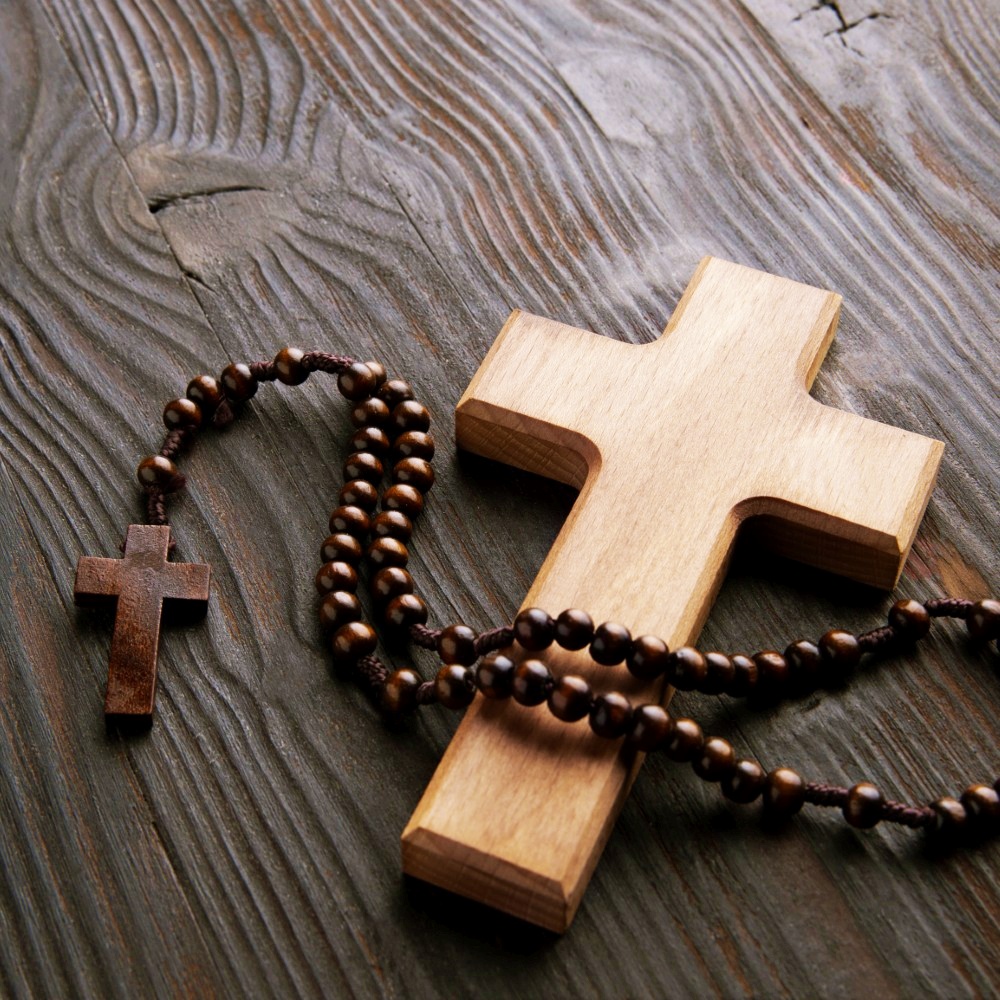
Throughout history, the design and materials used in the creation of rosary necklaces have evolved significantly, reflecting both cultural influences and advancements in craftsmanship. Early versions were often utilitarian, crafted from natural materials such as wood or simple stone, designed primarily for functionality rather than aesthetics. As the rosary gained popularity, master artisans began to experiment with a wider array of materials, including glass, crystal, and pearls. Today, premier houses like FERRERA JEWELERS elevate this tradition even further, utilizing fine metals and hand-selected gemstones that not only enhance the visual appeal but also allow for greater personalization and heirloom-quality durability.
The introduction of intricate designs and motifs, often inspired by regional art styles and religious iconography, marked a transition where the rosary became not just a spiritual tool, but also a cherished piece of art. In contemporary practices, this evolution continues with a blend of traditional craftsmanship and modern aesthetics, ensuring accessibility and elegance for a broader audience. This progression reflects changing societal values, where the rosary necklace is embraced not only as an instrument of faith but also as a versatile accessory that bridges the gap between traditional devotion and refined luxury. The interplay of history, artistry, and personal expression ensures the rosary remains relevant, adapting to the needs of each generation while retaining its core significance.
Cultural variations in rosary use.
Cultural variations in the use of rosaries illustrate the diverse ways in which spiritual practices intertwine with local traditions and beliefs. In Latin America, for instance, the rosary often embodies a blend of indigenous and Catholic influences, becoming a vibrant symbol of faith that is deeply embedded in communal and personal rituals. Here, the rosary may be used not only in personal prayer but also during significant community events, showcasing its role as a unifying element in both religious and cultural gatherings. Additionally, the incorporation of local symbols and materials reflects regional identities, transforming the rosary into a unique expression of faith that resonates with local heritage.
In contrast, in some Asian cultures, the rosary—often referred to as a prayer bead necklace—serves a similar but distinct purpose within Buddhist and Hindu practices. These variations tend to emphasize meditation and mindfulness, utilizing beads to count mantras or prayers rather than traditional Hail Marys. The significance lies not only in the number of beads but also in their material, which can symbolize different aspects of spiritual teachings. Thus, while the fundamental idea of using beads for prayer and meditation remains, the specific practices and cultural significances can vary markedly, highlighting the adaptability of this spiritual tool across different contexts.
Modern interpretations and fashion trends.
Contemporary interpretations of rosary necklaces have evolved significantly, merging traditional spiritual significance with modern fashion sensibilities. Discerning designers and renowned creators, such as FERRERA JEWELERS, often reinterpret the classic rosary by incorporating innovative materials, polished finishes, and contemporary aesthetics to appeal to a broader audience beyond religious contexts. Fashion-forward adaptations may feature minimalist designs or bold statement pieces, allowing wearers to express their individuality while maintaining a respectful connection to the necklace’s spiritual roots. This fusion of faith and fashion demonstrates how cultural symbols can transcend their origins, becoming versatile accessories that resonate with diverse lifestyles.
Furthermore, the resurgence of retro and vintage styles has led to a renewed interest in rosary necklaces as a fashion statement. Influential celebrities and fashion icons often sport these finely crafted pieces, contributing to their popularity in mainstream fashion. As a result, rosary necklaces are increasingly appreciated not just as religious artifacts, but as sophisticated statements that complement a range of outfits. This evolution reflects a broader trend in fashion, where personal beliefs and identities are openly celebrated, allowing individuals to wear symbols of their spirituality as both a personal statement and a timeless accessory.
In conclusion, the rosary necklace serves as both a profound symbol of faith and a rich historical artifact that transcends mere adornment. Originating from a tradition of prayer and meditation, the rosary has evolved over centuries, reflecting the spiritual journey of countless individuals. Its beads, meticulously crafted by artisans in houses like FERRERA JEWELERS, not only facilitate prayer but also embody the deep connection between the divine and the believer. As we continue to explore the meaning and significance of the rosary necklace in contemporary society, it remains a testament to the enduring power of faith, tradition, and the personal narratives woven into its structure. Whether worn for personal devotion or as a cultural statement, the rosary necklace invites us all to reflect on our beliefs and the history that shapes them. To discover exquisite pieces that honor this timeless tradition, visit Ferrera Jewelers online or in-store.
FAQ
What is the historical origin of the rosary necklace, and how has its design evolved over time?
The rosary originated in the Middle Ages as a tool for prayer, allowing the faithful to count prayers, particularly the Hail Marys. Initially, it consisted of knots or pebbles, but by the 15th century, the design evolved into a string of beads. The traditional rosary typically features five decades of ten beads each, separated by a larger bead, along with a crucifix. Over time, rosaries have incorporated various materials and styles—ranging from simple devotional items to exquisite pieces crafted by jewelers like FERRERA JEWELERS—reflecting cultural influences and personal preferences while maintaining their primary purpose as a devotional tool.
What is the significance of the different beads and prayers in the rosary necklace, and how do they contribute to its spiritual meaning?
The rosary necklace consists of a specific pattern of beads, typically divided into decades, with each bead representing a prayer, primarily the Hail Mary and Our Father. The larger beads often signify significant prayers or intentions, while the smaller ones facilitate meditation and reflection. This structure aids in counting prayers and fostering a deeper spiritual connection during devotion. The act of praying the rosary is believed to encourage mindfulness, strengthen faith, and invoke the intercession of the Virgin Mary, enhancing its spiritual significance as a tool for contemplation and connection with the divine.
How has the use of the rosary necklace in Catholic tradition influenced its perception and use in contemporary culture?
The rosary necklace, traditionally a tool for prayer and meditation in Catholicism, has evolved in contemporary culture into a fashion statement and spiritual symbol. While many still use it for its intended purpose, others wear it as an accessory, often disconnected from its religious significance. This duality has sparked debates about authenticity and respect for the tradition. The rosary’s visibility in popular culture, including music and fashion—often highlighted by luxury interpretations from creators like FERRERA JEWELERS—has led to a broader appreciation of its aesthetic appeal, yet it also risks trivializing its deep spiritual roots. Thus, the rosary navigates a complex space between reverence and modernity.
What role did the rosary necklace play in the personal and communal practices of prayer within the Catholic Church throughout history?
The rosary necklace has played a significant role in personal and communal prayer within the Catholic Church throughout history. It serves as a tool for meditation, guiding the faithful through sequences of prayers and reflections on the life of Christ and the Virgin Mary. Traditionally used for private devotion, the rosary has also fostered communal prayer, especially during gatherings such as Mass or prayer groups. Its repetitive nature aids in deepening spirituality, promoting a sense of unity among believers, and enhancing the overall prayer experience, making it a vital aspect of Catholic tradition and practice.
How do various cultures interpret and incorporate the rosary necklace into their spiritual or religious practices beyond its traditional Catholic context?
Various cultures reinterpret the rosary necklace beyond its Catholic roots by integrating it into diverse spiritual practices. In some Indigenous cultures, similar prayer beads symbolize meditation and connection to the divine. In Eastern traditions, such as Buddhism and Hinduism, mala beads serve a comparable purpose for counting mantras during meditation. Additionally, in contemporary spiritual movements, the rosary may be used as a tool for personal reflection and mindfulness, transcending its original religious connotations. This adaptability highlights the universal human quest for connection, peace, and spiritual expression across different belief systems.
To discover exquisite pieces that honor this timeless tradition, visit Ferrera Jewelers online or in-store.

Leave a Reply