

In the world of precious metals and gemstones, the terms “karat” and “carat” often create confusion among consumers and enthusiasts alike. At Ferrara Jewelers, we believe that understanding these terms is crucial to making informed, confident choices. While they may sound similar, these two units of measurement serve distinct purposes and apply to different materials.
Karat (with a “k”) is a measurement that indicates the purity of gold, reflecting the proportion of pure gold in an alloy compared to other metals. This system ranges from 24 karats, representing 100% pure gold, to lower karat values that denote decreasing gold content. Conversely, carat (with a “c”) specifically pertains to the weight of gemstones and pearls, with one carat equating to 200 milligrams.
Misunderstandings can lead to misinformed purchases and misrepresentations in value. In this article, we will delve deeper into the definitions, applications, and implications of karat and carat, demystifying these essential concepts for both novice buyers and seasoned collectors. By clarifying the distinctions between these measurements, our team aims to enhance your knowledge and confidence when exploring the fine jewelry at our store in Burien, WA.
Definition of Karat and Carat
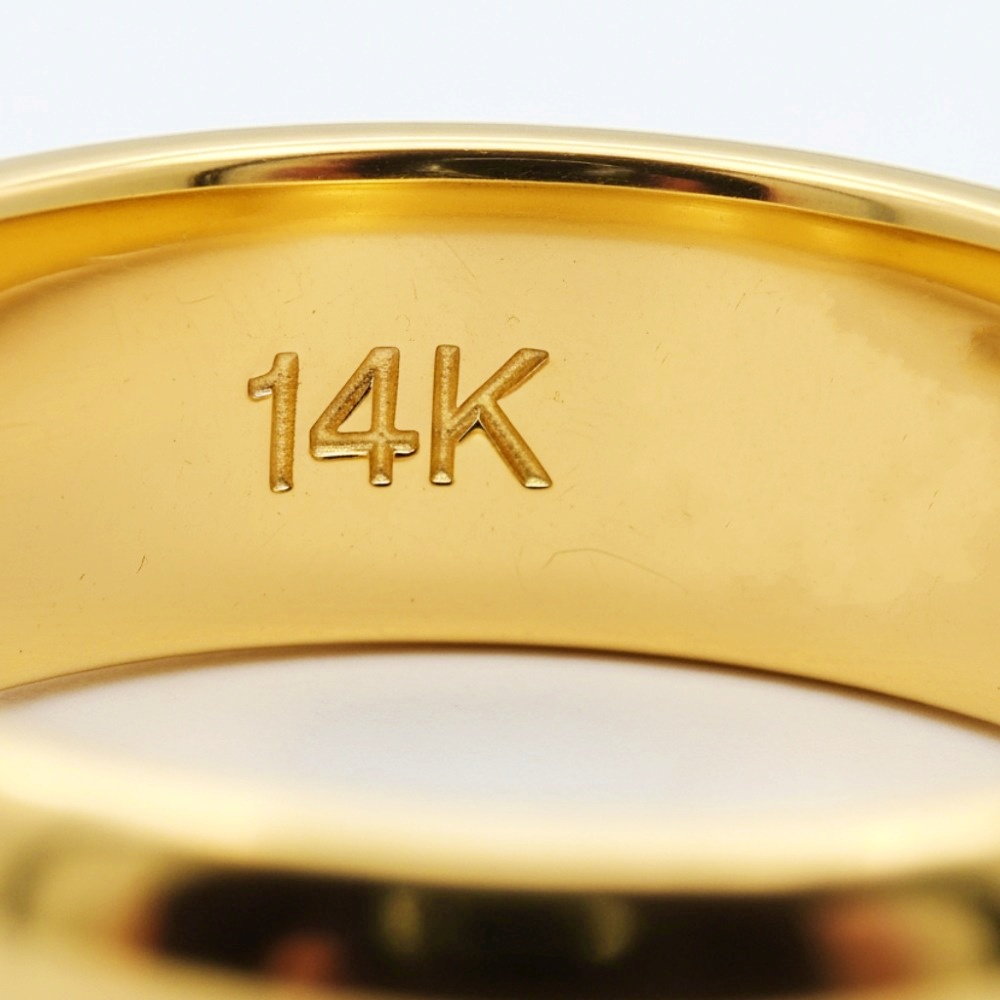
- Karat: Often abbreviated as “K,” is a unit of measurement used to indicate the purity of gold. Pure gold is defined as 24 karats, meaning that out of 24 parts, 24 are gold, resulting in a composition of 100% pure gold. Thus, a piece of gold jewelry that is 18 karats consists of 18 parts gold and 6 parts other metals, translating to a gold purity of 75%. This standard allows consumers to understand the quality and value of gold items based on their karat rating.
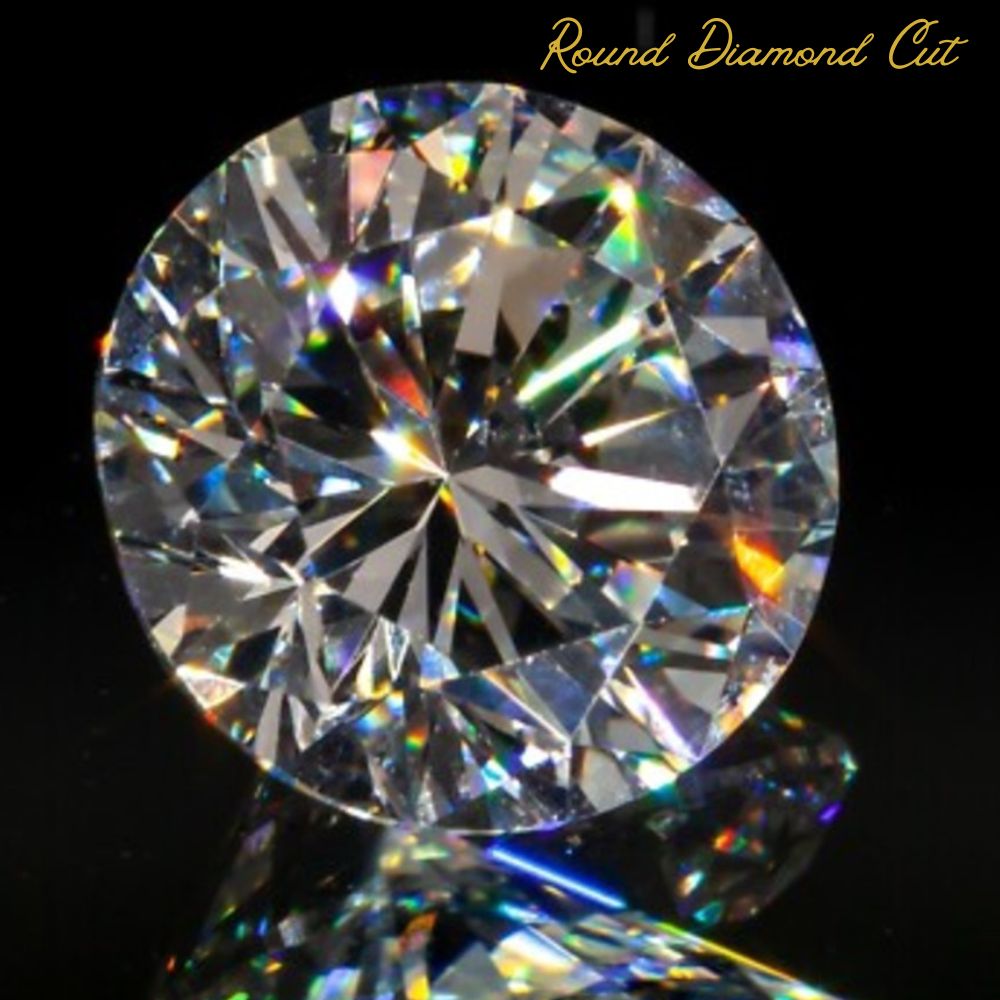
- Carat: On the other hand, is a unit of weight specifically used for gemstones and pearls. One carat is equivalent to 200 milligrams, or 0.2 grams. The carat weight of a gemstone significantly influences its value; larger stones are generally more valuable due to their rarity. At Ferrara Jewelers, it is essential to distinguish between the two, as one pertains to gold purity and the other to the weight of gemstones. Proper understanding of both terms is crucial for making informed purchasing decisions in the jewelry market.
Importance of Purity in Gold Measurement
Furthermore, the purity of gold affects its physical properties, including malleability, ductility, and resistance to tarnishing. Higher-purity gold is softer and more malleable, allowing for intricate designs in jewelry. However, this softness can also make it less durable, prompting manufacturers to often alloy gold with other metals to enhance its strength. At Ferrara Jewelers, understanding the importance of purity helps consumers not only make informed purchasing decisions but also appreciate the craftsmanship and material quality of their gold items, ensuring satisfaction and longevity in their investments.
Weight Measurement Significance in Gemstones
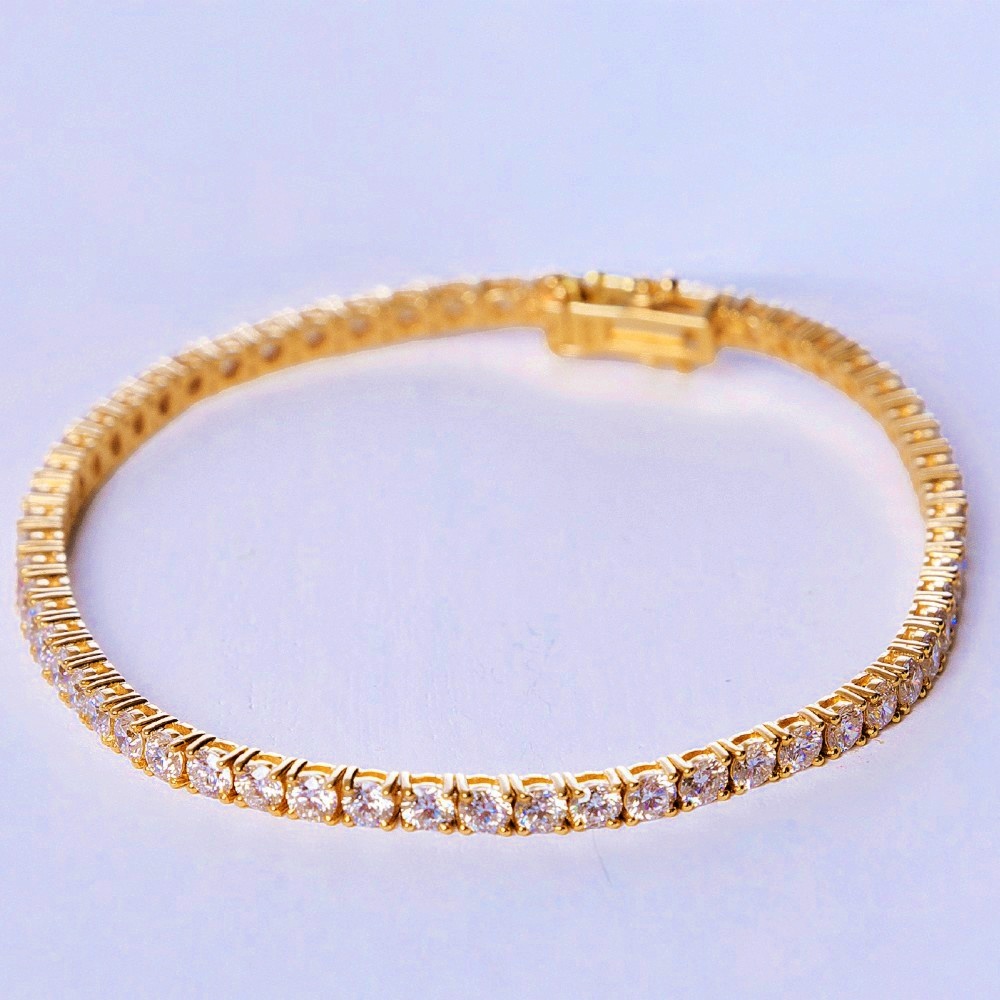
In the realm of gemstones, precise weight measurement plays a critical role in determining the value and marketability of these natural treasures. Gemstones are typically weighed in carats, where one carat equals 200 milligrams. This standardization of weight is essential for both buyers and sellers, as it provides a common framework for evaluating the size and quality of gemstones. Higher carat weight often correlates with greater rarity and desirability, directly impacting pricing. Consequently, accurate weight measurement helps ensure that transactions reflect the true value of the gemstone, fostering trust within the marketplace.
Moreover, the weight of a gemstone can influence its aesthetics and perceived quality. For example, larger stones are generally more sought after, but factors such as cut, clarity, and color also play significant roles in overall appeal and value. A gemstone’s weight must be considered alongside these attributes to provide a comprehensive assessment of its worth. Therefore, diligent attention to weight not only aids in fair valuation but also enhances the integrity of the gemstone market, allowing stakeholders to make informed decisions based on reliable data.
Common Misconceptions About Karat and Carat
A prevalent misconception is that “karat” and “carat” refer to the same concept, but they signify different measurements in distinct contexts. “Karat” (with a “k”) pertains specifically to the purity of gold, indicating the proportion of pure gold in relation to other metals in an alloy. For example, 24-karat gold is considered pure gold, while 18-karat gold contains 75% gold and 25% other metals. In contrast, “carat” (with a “c”) measures the weight of gemstones, establishing their size and value in market transactions. This confusion can lead to misunderstandings, especially when assessing the value of jewelry.
Another misconception involves the assumption that higher karat gold is always superior in quality. While 24-karat gold may be purer, it is also softer and more prone to scratching, making lower karat options, such as 14-karat or 18-karat gold, more practical for everyday wear. At Ferrara Jewelers, our experts take the time to explain that carat weight alone does not determine a gemstone’s value; attributes such as cut, clarity, and color must also be factored into the overall assessment. Understanding these distinctions is crucial for consumers and investors alike, ensuring informed decisions when purchasing gold and gemstones.
Practical Tips for Buying Jewelry Wisely
When purchasing jewelry, it is essential to prioritize quality and craftsmanship over mere aesthetics. Look for reputable jewelers who provide certifications for diamonds and gemstones, ensuring that the stones have been ethically sourced and accurately graded. Understanding the Four Cs—cut, color, clarity, and carat weight—can significantly influence your decision-making process. Choosing a well-cut stone can enhance its brilliance, sometimes making it appear larger and more valuable than its carat weight alone might suggest.
Additionally, consider your lifestyle when selecting jewelry. For example, if you lead an active life, opt for pieces made from durable materials or with lower karat gold, which offers greater resilience against daily wear. Always inquire about return policies and warranties, as these can protect your investment. Visit us at Ferrara Jewelers in Burien, WA, where our team can help you select the perfect piece to match your lifestyle and taste.
In summary, understanding the distinction between karat and carat is essential for anyone navigating the world of precious metals and gemstones. While karat refers to the purity of gold, indicating the proportion of gold in an alloy, carat measures the weight of gemstones, with one carat equivalent to 200 milligrams. Whether you are a consumer looking to make informed purchases or a professional in the industry, a clear grasp of these terms is crucial for effective communication and evaluation in the realm of luxury goods.
Frequently Asked Questions
- What is the primary difference between karat and carat? Karat measures gold purity; carat measures gemstone weight.
- How is karat expressed? Karat is expressed as a fraction of 24 parts (e.g., 18K is 18/24 gold). Ferrara Jewelers carries a variety of karat options, from 10K to 24K, to suit your style and durability needs.
- How is carat measured? Carats are measured in weight, where one carat equals 200 milligrams.
- Can karat and carat be used interchangeably? No, they refer to different qualities—gold purity vs. gem weight.
- What is the significance of karat in jewelry? A higher karat indicates more gold content, affecting both the value and the color of the metal.
Additional Expert Insights
What is the primary distinction between karat and carat in terms of their definitions and applications?
The primary distinction between karat and carat lies in their definitions and applications. Karat (abbreviated as “kt” or “k”) measures the purity of gold, with 24 karats being pure gold. In contrast, carat (abbreviated as “ct”) measures the weight of gemstones and pearls, with one carat equal to 200 milligrams. At Ferrara Jewelers, while karat evaluates the quality of gold alloys, carat assesses the size and weight of precious stones, making their uses specific to distinct contexts in jewelry evaluation.
How does the measurement of karat relate to the purity of gold, and what are the common karat values used in jewelry?
Karat (K) measures the purity of gold, with 24 karats representing pure gold. Each karat is 1/24th of the whole, so higher karat values indicate greater purity. Common karat values in jewelry include 24K (pure gold), 18K (75% gold), 14K (58.3% gold), and 10K (41.7% gold). These values help consumers understand the gold content and quality in their jewelry.
In the context of gemstones, what does carat measure, and how does it affect the value of a diamond or other precious stones?
Carat measures the weight of gemstones, with one carat equivalent to 200 milligrams. It significantly affects a diamond’s or precious stone’s value, as larger stones are rarer and more sought after. Typically, the price per carat increases with size, especially beyond certain weight thresholds. However, carat weight is just one factor in determining value, alongside cut, color, and clarity. Thus, two stones of equal carat weight can vary greatly in value based on these other characteristics.
Can you explain how the terms karat and carat are often confused, and what strategies can consumers use to avoid this misunderstanding when purchasing jewelry?
Karat (K) measures the purity of gold, while carat (ct) measures the weight of gemstones. This confusion arises due to their similar pronunciation. To avoid misunderstanding, consumers should always check the specifics: verify gold purity by looking for a hallmark indicating karat value (e.g., 14K), and for gemstones, ensure the weight is listed in carats. Asking the jewelers at Ferrara Jewelers for clarification and requesting certificates of authenticity can also help. Educating oneself about these terms before purchasing is crucial for making informed decisions.
What are some examples of how the weight of a gemstone in carats compares to the purity of gold in karats when evaluating the overall value of a piece of jewelry?
Gemstone weight in carats measures size, with larger stones typically valued higher. For example, a 2-carat diamond is often significantly more valuable than a 1-carat due to rarity. In contrast, gold purity is measured in karats, with 24-karat gold being pure. Higher purity increases gold’s value, so 18-karat gold is worth less than 24-karat. When evaluating jewelry, a piece with a large, high-quality gemstone and high-karat gold generally holds greater value than one with smaller stones and lower gold purity. Both aspects contribute to the overall appeal and investment potential of the jewelry.

Leave a Reply